Car Top Advertising: The Complete Guide for 2026
Everything you need to know about car top advertising — how it works, what it costs, and how to measure ROI from rooftop vehicle ads.
CarTop Ad Team
February 10, 2026
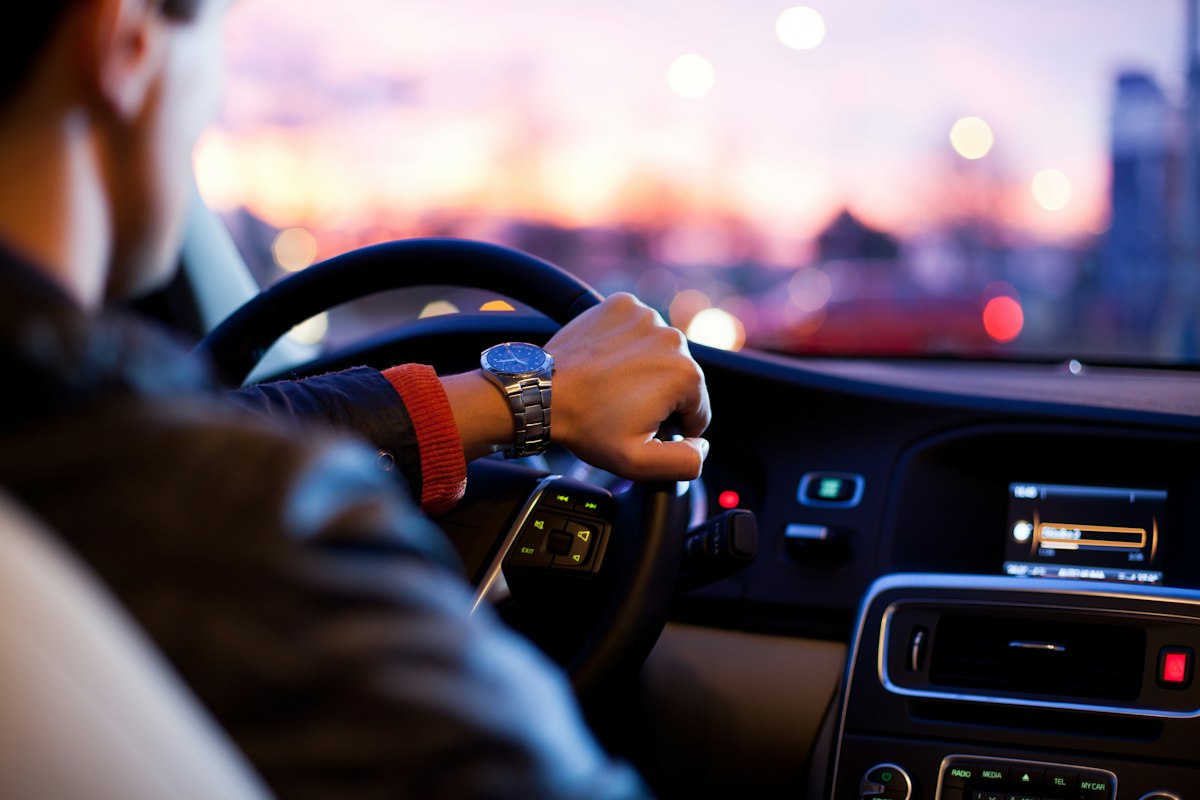
Car top advertising has grown from a niche taxi gimmick into one of the most cost-effective out-of-home (OOH) channels available today. Brands ranging from local restaurants to Fortune 500 companies now rely on rooftop vehicle ads to reach consumers where traditional billboards simply cannot. If you have been considering this format, here is everything you need to know before launching a campaign.
What Is Car Top Advertising?
Car top advertising places a branded display unit on the roof of a vehicle — typically a rideshare car, taxi, or delivery vehicle. The ad unit sits on a lightweight mount secured to the rooftop, visible from all angles as the vehicle moves through city streets, highways, and parking areas.
Unlike a static billboard stuck on one corner of an intersection, a car topper travels directly through the neighborhoods your customers live, work, and shop in. The Outdoor Advertising Association of America (OAAA) reports that mobile OOH formats generate 2.5 times more attention than static roadside placements. That mobility is the core advantage: your message goes where the people are, not the other way around.
How Car Top Advertising Works
The process is straightforward. An advertising network partners with vehicle owners — often rideshare drivers for Uber or Lyft — and installs a display unit on their roof. Advertisers then book campaigns through the network, selecting geographic zones, run dates, and creative assets.
GPS technology tracks each vehicle in real time, logging routes, dwell times, and neighborhood coverage. Most networks provide a campaign dashboard where you can monitor exactly how many miles your ad has traveled and which zip codes it reached. Drivers earn supplemental income (typically $200 to $400 per month), creating a win-win-win for the driver, the advertiser, and the network.
Types of Car Topper Ads
Not all rooftop units are created equal. The three primary formats each serve a different purpose and budget.
Static Illuminated Toppers are the most common. They feature backlit printed panels on two or four sides, visible day and night. Production costs are low, and the units are lightweight enough for any sedan. Most taxi toppers fall into this category.
Digital LED Toppers use high-brightness LED screens to display rotating content. They allow multiple creatives per campaign, dayparting (showing different ads at different times), and real-time content swaps. The hardware costs more, but the flexibility is significant — you can promote a lunch special at noon and switch to a happy hour ad by 4 PM.
Rideshare-Specific Units are designed specifically for Uber and Lyft vehicles. Companies like Firefly and Carvertise manufacture sleek, aerodynamic units that meet rideshare platform guidelines and minimize wind drag. These units often integrate with the vehicle's OBD-II port for power, eliminating the need for separate batteries.
How Much Does It Cost?
Car top advertising is one of the most affordable OOH formats on the market. Here is what you can expect to spend.
The average cost per thousand impressions (CPM) ranges from $0.03 to $0.10 — dramatically lower than traditional billboards ($5 to $15 CPM) or digital out-of-home screens ($8 to $25 CPM). On a per-vehicle basis, most networks charge between $200 and $500 per month, depending on the market, vehicle type, and whether you choose static or digital units.
A mid-sized campaign in a top-10 metro area might look like this: 25 vehicles running for 8 weeks at $350 per vehicle per month, totaling $17,500. That same budget would barely cover a single traditional billboard in a comparable market.
Additional costs to factor in include creative design ($500 to $2,000 for professional ad design), production and installation of the physical units (often included in the network fee), and any minimum campaign duration requirements (typically 4 to 12 weeks).
Key Benefits
The numbers tell a compelling story. A single car topper ad generates between 40,000 and 70,000 daily impressions, according to data from the OAAA and major car top networks. Over a 30-day campaign, that translates to 1.2 million to 2.1 million impressions per vehicle.
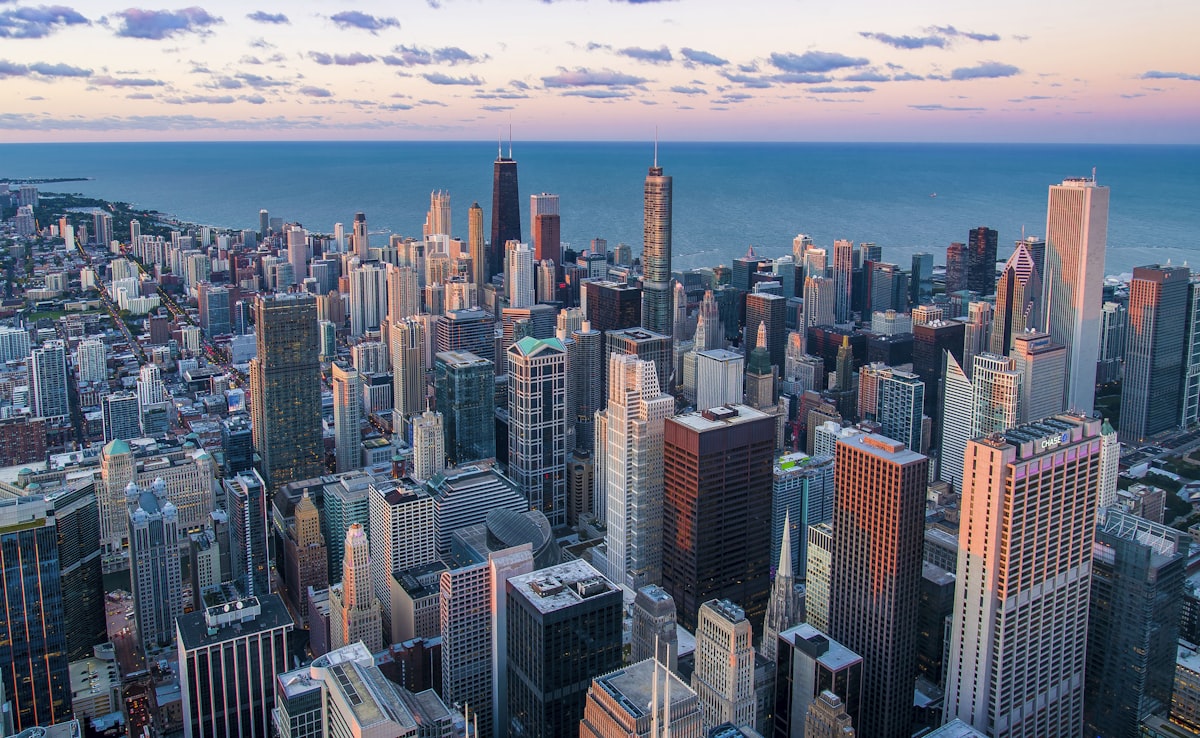
Hyperlocal targeting sets car toppers apart from nearly every other OOH format. Because the vehicles operate within specific zones — downtown cores, entertainment districts, college campuses, suburban shopping areas — you can concentrate impressions exactly where your target audience spends time. A new restaurant in Austin can target the South Congress corridor during dinner hours. A concert promoter in Miami can blanket Wynwood the week before a show.
24/7 visibility means your ad works around the clock. Illuminated and LED units remain visible after dark, capturing the evening commute and nightlife crowds that static billboards in unlit areas miss entirely. Rideshare vehicles are especially active during peak hours — morning and evening commutes, lunch rushes, and weekend nights — aligning your ad exposure with the highest foot traffic periods.
Brand recall is another strong suit. Nielsen research found that OOH advertising delivers a 47% increase in brand awareness compared to baseline, and mobile formats outperform static ones by 15% on aided recall. People notice car toppers because they move through the visual field, breaking the pattern of roadside signage that drivers have learned to ignore.
Measuring Your Campaign
Historically, OOH advertising suffered from a measurement gap. You put up a billboard, hoped people saw it, and crossed your fingers. Car top advertising has closed that gap with three proven measurement tools.
GPS Tracking provides granular route data. You will know which streets your ad traveled, how long it spent in each neighborhood, and what times of day generated the most mileage. Networks like Firefly report impressions using models calibrated against traffic count data from the Department of Transportation, giving you confidence in the numbers.
Brand Lift Studies measure the actual impact on consumer awareness and purchase intent. By surveying exposed and control groups within your campaign geography, you can isolate the lift attributable to your car top ads. Typical lift studies show a 15% to 25% increase in unaided brand awareness for campaigns running 8 weeks or longer.
QR Codes and Short URLs create a direct response mechanism. Place a scannable QR code or a memorable vanity URL on the ad unit, and you can track exactly how many people took action after seeing your car topper. Conversion rates on QR codes for mobile OOH tend to be modest — between 0.5% and 2% — but the volume of impressions makes even a small conversion rate meaningful.
Car top advertising is not a silver bullet, but for brands that need affordable, hyperlocal, high-frequency exposure, it is one of the smartest investments in the OOH landscape. Start with a small fleet in your core market, measure relentlessly, and scale what works.
Want to Learn More About Mobile Advertising?
Explore our complete collection of guides on car top advertising, vehicle wraps, and more.
Browse All Articles