Vehicle Wrap Advertising: Costs, ROI, and Everything You Need to Know
Vehicle wraps turn cars and vans into mobile ads. Discover real costs, expected ROI, and best practices for wrap advertising campaigns.
CarTop Ad Team
February 6, 2026
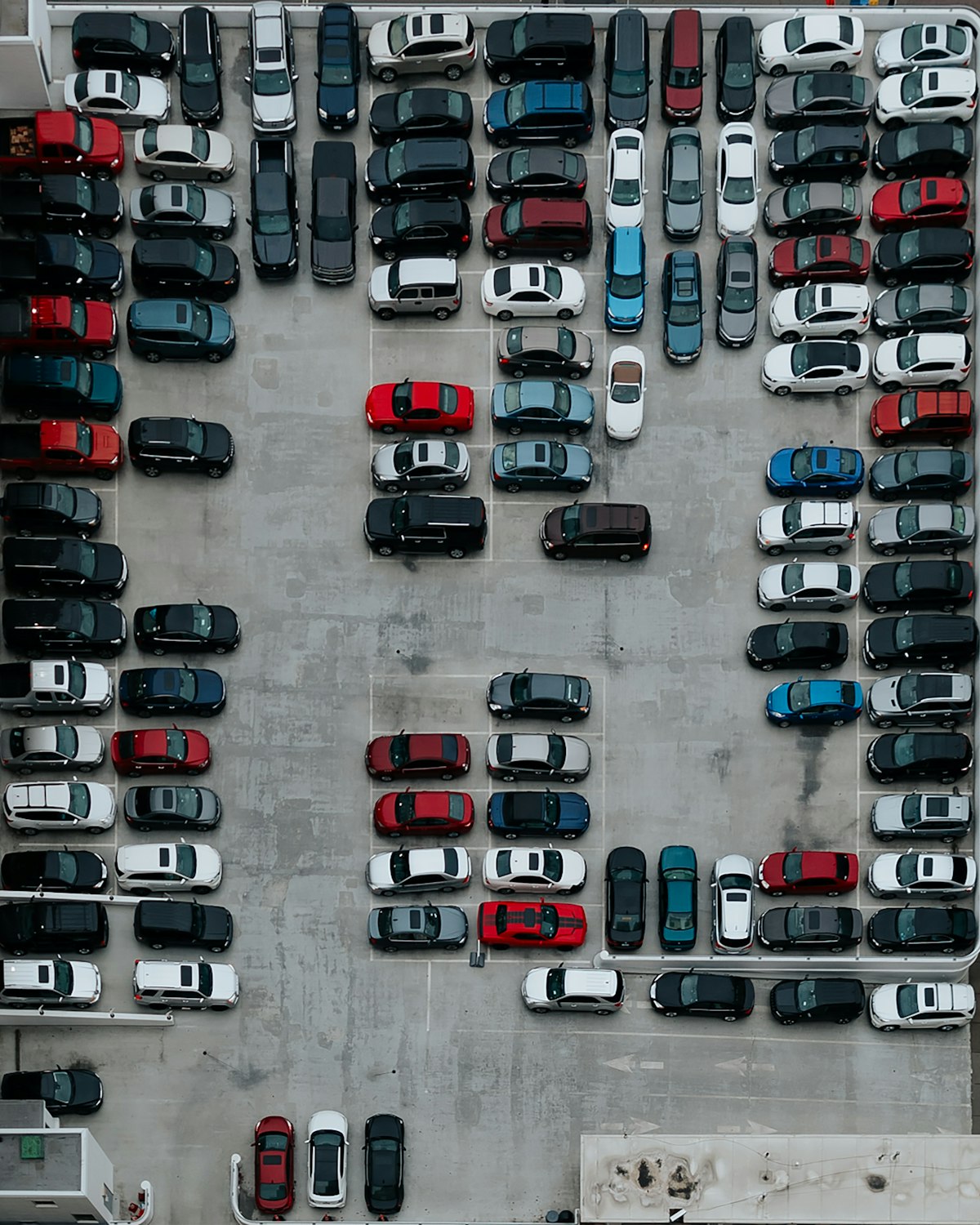
A single wrapped vehicle generates between 30,000 and 70,000 impressions every day. That statistic from the Outdoor Advertising Association of America (OAAA) is the reason vehicle wraps have become one of the most popular forms of out-of-home advertising for businesses of every size. From a solo plumber's van to a nationwide delivery fleet, vinyl wraps turn ordinary vehicles into moving billboards that work 365 days a year.
What Is Vehicle Wrap Advertising?
Vehicle wrap advertising involves applying large vinyl graphics — printed with your brand's logo, messaging, and imagery — directly to the exterior of a car, van, truck, or trailer. The vinyl is a specialized cast film designed for automotive use, conforming to curves, door handles, and body lines without damaging the underlying paint.
A professional installation takes 1 to 3 days depending on the vehicle size and wrap complexity. Once applied, the wrap protects the factory paint from UV damage, rock chips, and minor scratches. When the campaign ends or the brand refreshes, the wrap is removed cleanly, often revealing paint in better condition than unwrapped panels.
The format traces its roots to painted delivery trucks, but modern digital printing and cast vinyl technology have made it accessible at a fraction of the old cost. Today, the vehicle wrap industry generates an estimated $4.8 billion annually in the United States alone.
Full vs Partial vs Decals
Three coverage levels exist, and each serves a different budget and visual goal.
Full wraps cover the entire vehicle — hood, roof, doors, bumpers, and rear. They create the most dramatic visual impact and offer complete creative freedom. A full wrap is the right choice when you want maximum attention or when the vehicle's original color clashes with your brand palette.
Partial wraps cover 50% to 75% of the vehicle, typically the sides and rear. They cost significantly less than full wraps while still delivering strong visibility. Many businesses choose partial wraps because they can incorporate the vehicle's factory color into the design, reducing material and labor costs. A white van with a partial wrap on the sides and rear can look nearly as polished as a full wrap at 40% to 50% of the cost.
Decals and spot graphics are the entry-level option. Individual cut-vinyl elements — logos, phone numbers, website URLs, and taglines — are applied to specific areas. They are affordable and quick to install, but they lack the visual stopping power of a full or partial wrap. Decals work best for service businesses that need basic identification rather than a marketing-forward presence.
Costs
Vehicle wrap pricing depends on three factors: vehicle size, coverage level, and design complexity.
Full wraps for a standard sedan cost between $2,500 and $5,000. A full wrap on a large van or box truck runs $3,500 to $8,000. SUVs and pickup trucks fall in the $3,000 to $6,000 range. These prices include design, printing, and professional installation.
Partial wraps typically cost $1,000 to $2,500 for sedans and $1,500 to $4,000 for larger vehicles. The savings come from reduced material usage and shorter installation time.
Decal packages start as low as $200 to $500 for basic lettering and logos, making them accessible even for startups and sole proprietors.
The lifespan of a quality vehicle wrap is 3 to 5 years under normal driving conditions. Premium cast vinyl from manufacturers like 3M, Avery Dennison, and Oracal holds color and adhesion throughout that period. Some fleet operators report wraps lasting 7 years with proper care, though most brands refresh their creative every 3 to 4 years regardless.
When you amortize the cost over the wrap's lifespan, the economics become remarkable. A $4,000 full wrap on a vehicle generating 50,000 impressions per day, lasting 4 years, delivers a cost per thousand impressions of roughly $0.01 to $0.04. No other advertising format comes close.
ROI
The OAAA has published some of the most cited data on vehicle wrap effectiveness. Their research shows that a single wrapped vehicle generates 30,000 to 70,000 daily impressions depending on the market and driving patterns. In dense urban areas, the high end of that range is realistic. In suburban or rural markets, expect the lower end.
A study by 3M found that fleet graphics achieve the lowest cost per impression of any advertising medium — lower than newspaper, radio, television, online display, and even static billboards. The American Trucking Association reinforces this, reporting that 98% of in-car audiences notice truck-side ads and 29% say they would base a purchasing decision on the impression.
For local service businesses, the ROI is often direct and measurable. A plumbing company in Denver tracked inbound calls with a dedicated phone number on their wrapped vans and attributed 22 new customers per month directly to the wraps — worth approximately $15,000 in monthly revenue against a one-time wrap investment of $12,000 across three vehicles.
Design Best Practices
A wrap is only as effective as its design. Following these principles will maximize your impact.
Use bold, high-contrast colors. Your wrap competes with every other visual stimulus on the road. Deep blues, bright reds, clean whites, and vivid greens stand out against urban backdrops. Avoid color combinations with low contrast — gray text on a silver vehicle disappears.
Keep text minimal. Viewers have 3 to 8 seconds to absorb your message. Limit your primary message to 7 words or fewer. Include your brand name, one key benefit or tagline, and a phone number or website. Nothing else. Contact information should be printed large enough to read from 30 feet away.
Include a clear call to action. "Call now," "Visit us," or "Scan for 20% off" — give the viewer one specific next step. QR codes work on wraps, but only if the vehicle regularly parks or idles in locations where pedestrians can scan them. A delivery van that spends time parked on residential streets is a good QR candidate. A highway commuter car is not.
Design for the vehicle's shape. The best wraps treat the vehicle as a three-dimensional canvas, not a flat rectangle. Wrap around wheel wells, use the contour of the hood as a design element, and ensure critical elements are not cut off by door seams or handles. Always work from a precise vehicle template.
Fleet Wrap Programs
For businesses with multiple vehicles, fleet wraps amplify every benefit. A fleet of 10 wrapped vans operating in a metro area generates an estimated 300,000 to 700,000 impressions daily. Over a year, that is over 100 million impressions at a CPM that rounds to zero on most spreadsheets.
Fleet consistency matters. Use the same design template across every vehicle so the brand is immediately recognizable whether a customer sees one van or five in a single day. Fleet programs also qualify for volume discounts — most wrap shops offer 10% to 20% off per vehicle for orders of five or more.
National brands like Amazon, FedEx, and Coca-Cola spend millions on fleet graphics because the math is irrefutable. But the same strategy scales down perfectly for a regional HVAC company with 8 trucks or a catering business with 3 vans. The investment pays for itself within the first year for most businesses.
Finding a Provider
Choosing the right wrap provider determines whether your investment lasts 5 years or peels off in 5 months. Start by verifying that the shop uses premium cast vinyl — not cheaper calendered vinyl, which shrinks and cracks on vehicle curves. Ask for the specific material brand and product line.
Request to see completed vehicles in person, not just photos. Examine edges, seams, and complex curves like mirrors and bumpers. Quality installation shows no bubbles, no lifted edges, and clean tuck lines around panels.
Check for 3M Preferred or Avery Dennison Certified Installer status. These certifications require documented training and quality standards. Ask for references from fleet customers, not just individual car owners, since fleet work demands consistency across multiple vehicles.
Get everything in writing: material specifications, warranty terms, estimated turnaround, and removal guarantees. A reputable shop stands behind its work with a 1 to 3 year installation warranty on top of the vinyl manufacturer's material warranty.
Vehicle wrap advertising is one of the highest-ROI marketing investments a business can make. The upfront cost pays dividends for years, and every mile driven is another opportunity to put your brand in front of a potential customer.
Want to Learn More About Mobile Advertising?
Explore our complete collection of guides on car top advertising, vehicle wraps, and more.
Browse All Articles